How to Ride a Unicycle: Step-by-Step Circus Skills Guide
Riding a unicycle is a skill anyone can learn — the secret is breaking it into clear, progressive steps rather than trying to balance and pedal simultaneously from the start. This step-by-step guide from Elevate Circus Workshops takes you from first mounting to riding independently, with practical tips drawn straight from our professional circus tutors.
Whether you’re looking to wow your friends, inspire pupils in the classroom, or energise your workplace, this guide will help you take your first steps (or pedals!) towards unicycling success.
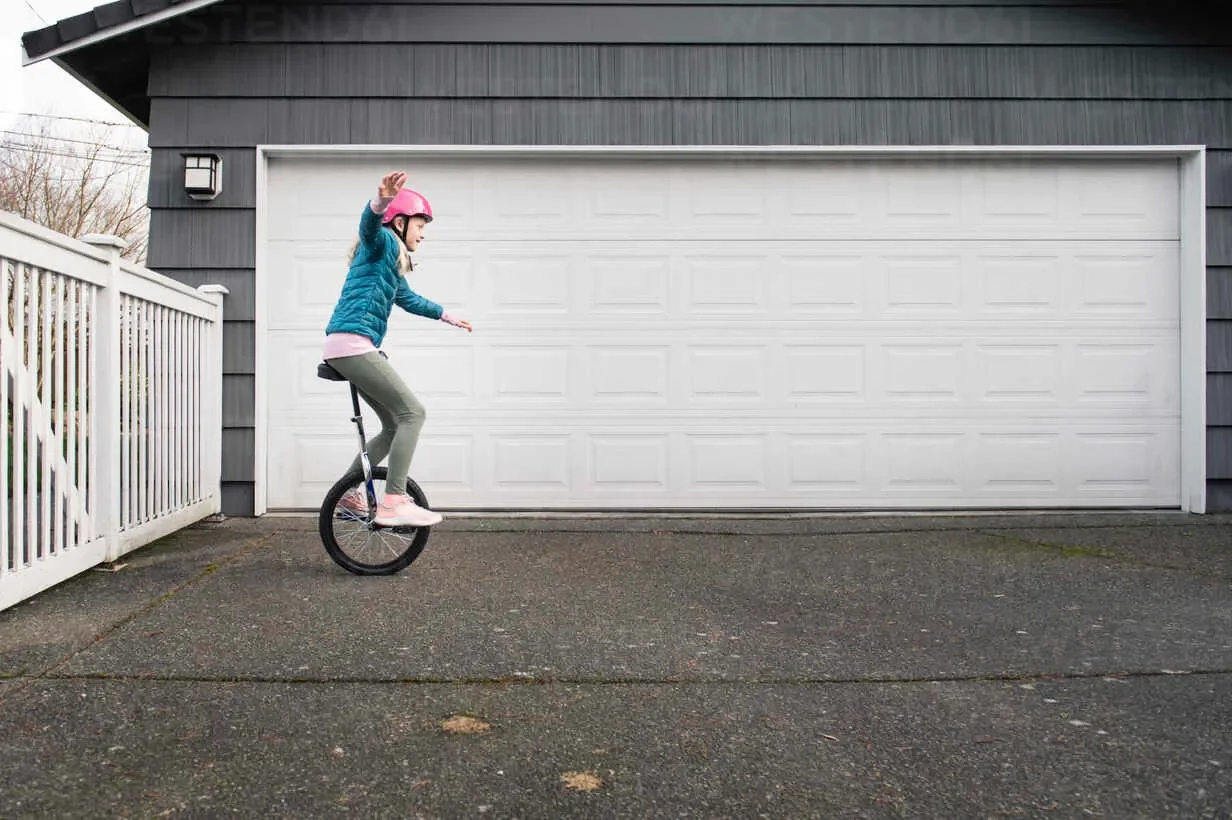
Probably should have knee pads and hand and wrist protection here!
Why Learn to Ride a Unicycle with Elevate Circus Workshops?
A unique circus skill that always impresses
Fantastic for focus, balance, and determination
Perfect for schools, festivals, and corporate team-building events
A fun challenge for both children and adults
Alongside unicycling, our workshops also include juggling workshops, plate spinning, and other classic circus activities.
Learn to Ride a Unicycle in 4 Simple Steps
Step 1: Choose the Perfect Practice Space
Find a smooth, flat area with something sturdy to hold onto — a wall, railing, or corridor works perfectly. Having support nearby will make your first wobbly moments far easier.
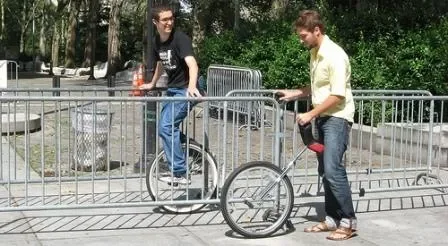
Nice flat ground with handy railings!
Step 2: How to Get On the Unicycle
Place the seat securely between your legs.
Position the pedals so one is slightly forward (around the 4 o’clock mark).
Step up onto the forward pedal, using your support for balance.
As the wheel rolls back slightly, settle into the seat.
Pedal backwards a quarter turn so your feet are level.
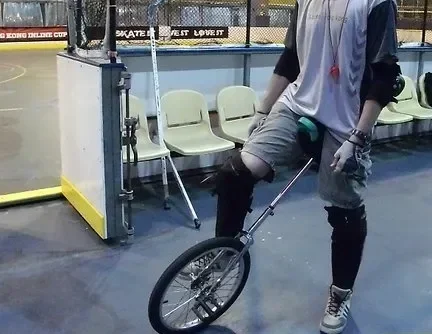
Looks like a great start!
Step 3: Mastering Pedal Power and Balance
Keep your weight on the seat, not your legs. Start by gently rocking back and forth, then lean forward slightly and pedal slowly. Reduce your reliance on the wall or railing each time you try — little by little, your confidence will grow.
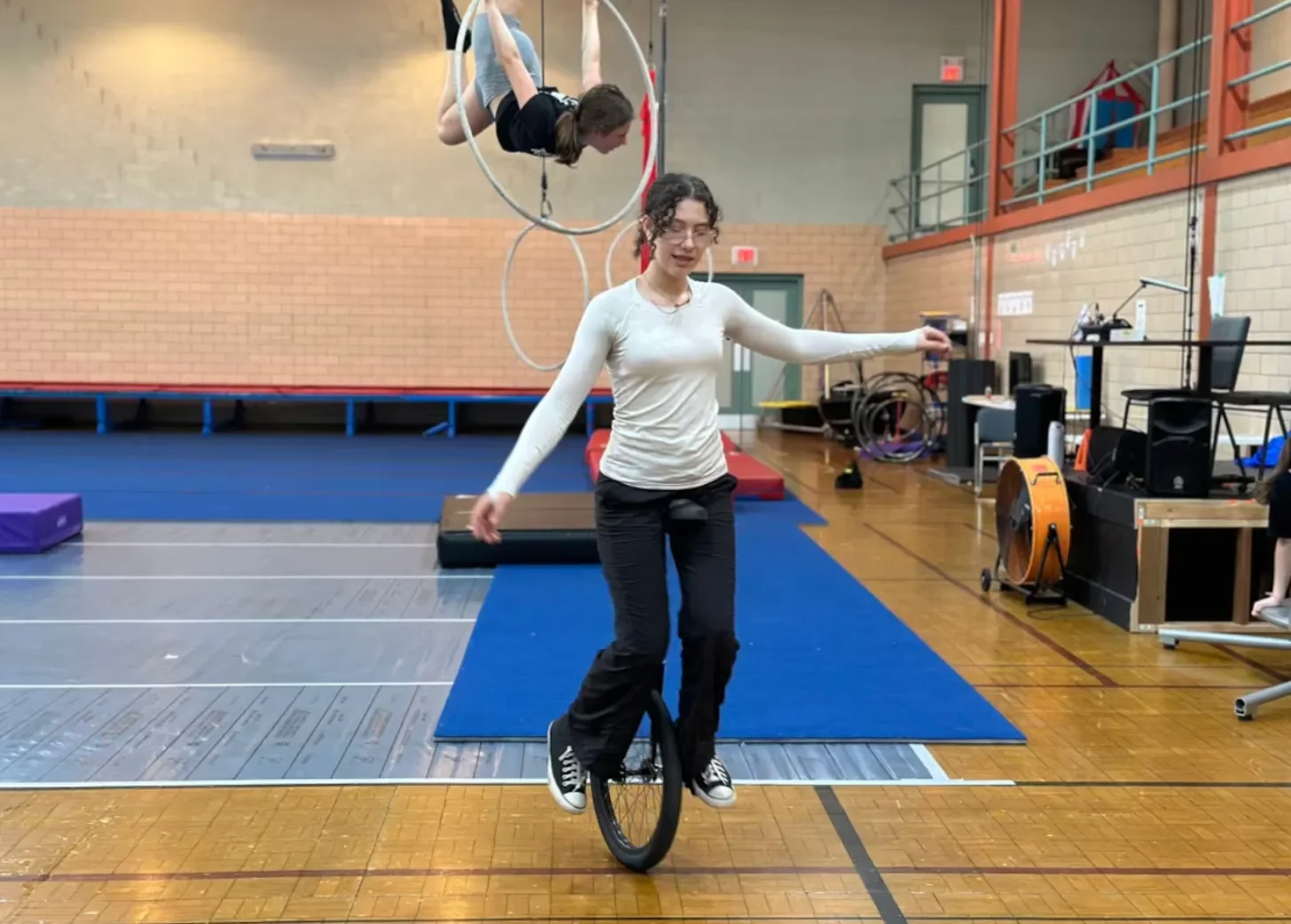
Easy does it!
Step 4: Turning, Steering, and Building Confidence
Steering is simple: point your knees and swivel your hips in the direction you want to turn. Practice short turns away from your support, then return to it until it feels natural. Soon you’ll be riding freely!
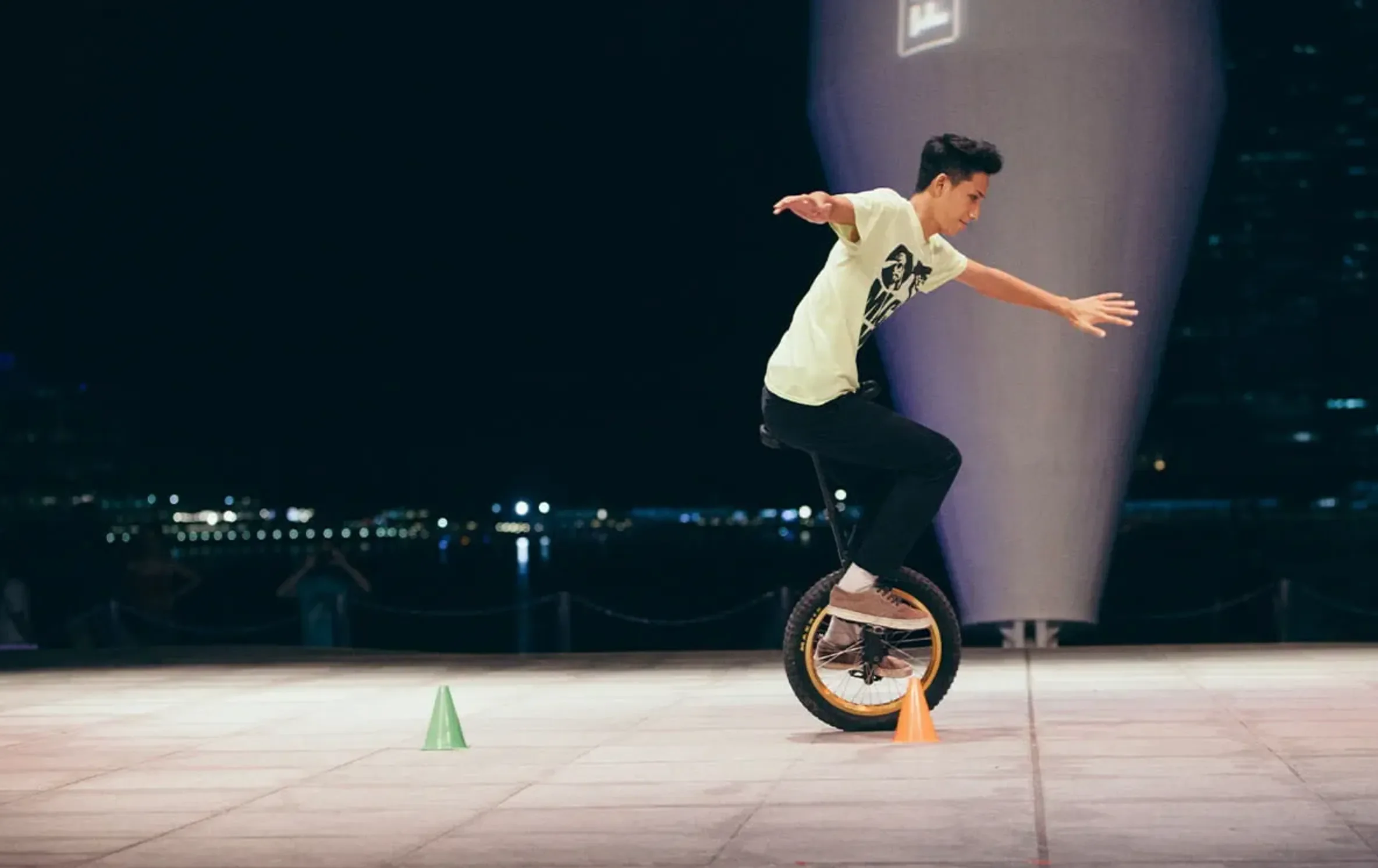
Looks easy, doesn’t it?!!
The Three Ps: Patience, Practice, and Perseverance
Unicycling takes time, and it’s normal to fall a few times before finding your rhythm. The key is to keep practising. With patience and perseverance, you’ll soon be gliding around — and once you’ve mastered one wheel, two wheels will feel boring!
Bring Circus Skills to Your School, Event, or Workplace
At Elevate Circus Workshops, we make unicycling and circus skills accessible, fun, and unforgettable. Whether it’s school circus workshops, corporate team building, or festival entertainment, our experienced facilitators create high-energy sessions tailored to your audience.
👉 Ready to add some circus magic to your next event? Contact us today to book your workshop.
FAQs
Q: Is it hard to learn to ride a unicycle?
It's harder than a bike at first because there's no freewheeling and no handlebars for balance, but with the right technique and consistent practice, most people can ride a short distance within a few sessions.
Q: What's the best way for a beginner to start?
Start by mounting next to a wall or with a helper for support, focus on finding your balance point while stationary, then practise short pedal strokes before attempting to ride freely.
Q: How long does it typically take to learn?
This varies by person, but most beginners can manage a few wobbly metres within their first few sessions, and confident short-distance riding within a few weeks of regular practice.
Q: Do I need any special equipment to start?
A well-fitted unicycle is the main requirement — wearing trainers with good grip and practising on a flat, smooth surface makes a big difference early on. Head, wrist, elbow and knee protection is also a must!
Q: What's the biggest mistake beginners make?
Looking down at the wheel instead of ahead, and gripping too tightly with the legs — both throw off balance. Keeping your gaze forward and staying relaxed helps far more than fighting to stay upright.
Q: Can children learn to unicycle, and at what age?
Yes — children as young as 7–8 can learn, though progress depends on coordination and confidence rather than age alone. It's one of the skills we teach in our circus workshops for schools.
Q: Is it safer to learn indoors or outdoors?
Indoors on a flat, obstacle-free surface is generally best for beginners, giving walls or a helper to hold onto and reducing injury risk from falls.
Q: What should I do once I can ride in a straight line?
Next steps usually include turning, riding figure-eights, and mounting/dismounting without support — all of which build the core balance needed for more advanced tricks.
Related reading
Top 10 Reasons Why Learning Circus Skills is Great for Children
Using Circus Skills to Support Physical Literacy in Primary Schools
Book a circus skills workshop
Prices start from £225 — see how our pricing works. Get a quote for your school and we'll come back with a quote.
We deliver across mainland UK, including Cardiff, Sheffield, Nottingham, Leicester and Newcastle.
