Why Winter Is Secretly the Best Time to Book Circus Workshops (And Cheaper Too)

Every May, our phone starts ringing and doesn't stop until August. Every October, it goes quiet. There's a reason for that — and once you understand it, you'll see why booking us in winter isn't a consolation prize. It's the smarter move.
The Summer Squeeze Is Real
Here's the uncomfortable truth about the circus skills industry: there are only so many qualified, DBS-checked tutors and performers in the country, and every single one of them needs to earn the bulk of their annual income in about sixteen weeks.
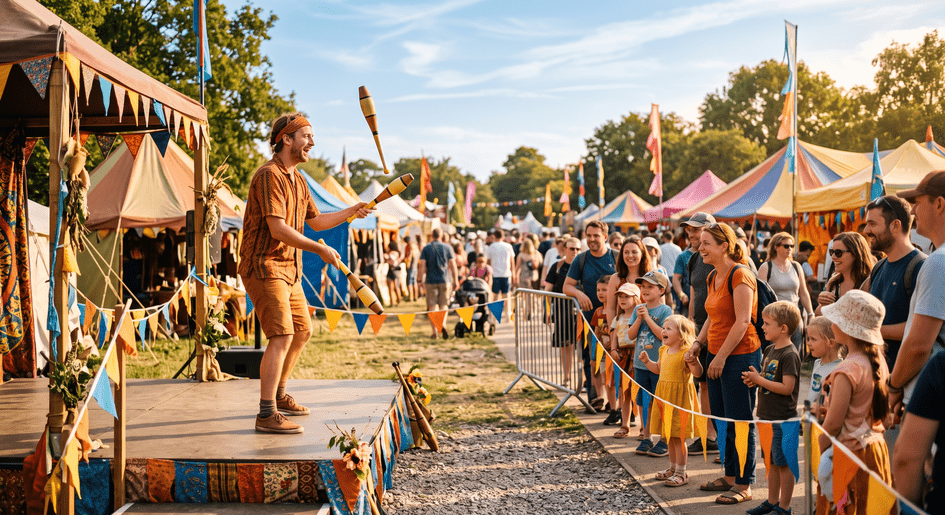
May through August is when schools want end-of-term treats for leavers, when festivals stack up back to back, when fetes and summer fairs all land on the same six Saturdays, and when every other entertainment provider in the UK is fishing from the same small pool of skilled people.
Supply stays flat.
Demand goes through the roof.
Prices follow basic economics — for a 5-6 hour day in peak season, you should expect to pay in the region of £450 (if not more). That's not us padding margins; that's what it costs to secure a brilliant tutor when forty other bookings are competing for their Saturday.
Then Winter Hits — and the Phones Stop
From October to March, the diary empties out. Jobs become so few and far between that we end up dropping prices just to keep our tutors working. Which raises an obvious question: if the same brilliant performers are doing the same brilliant workshops, why does almost nobody book them for six months of the year?
Because everyone's assuming circus skills is a summer, outdoors, sunny-day kind of thing.
It isn't.
And that assumption is costing schools, youth groups, and venues a much better deal than they realise.
Winter Is Actually the Better Season
Strip away the "fair weather" myth and winter starts to look like the smart choice, not the fallback:
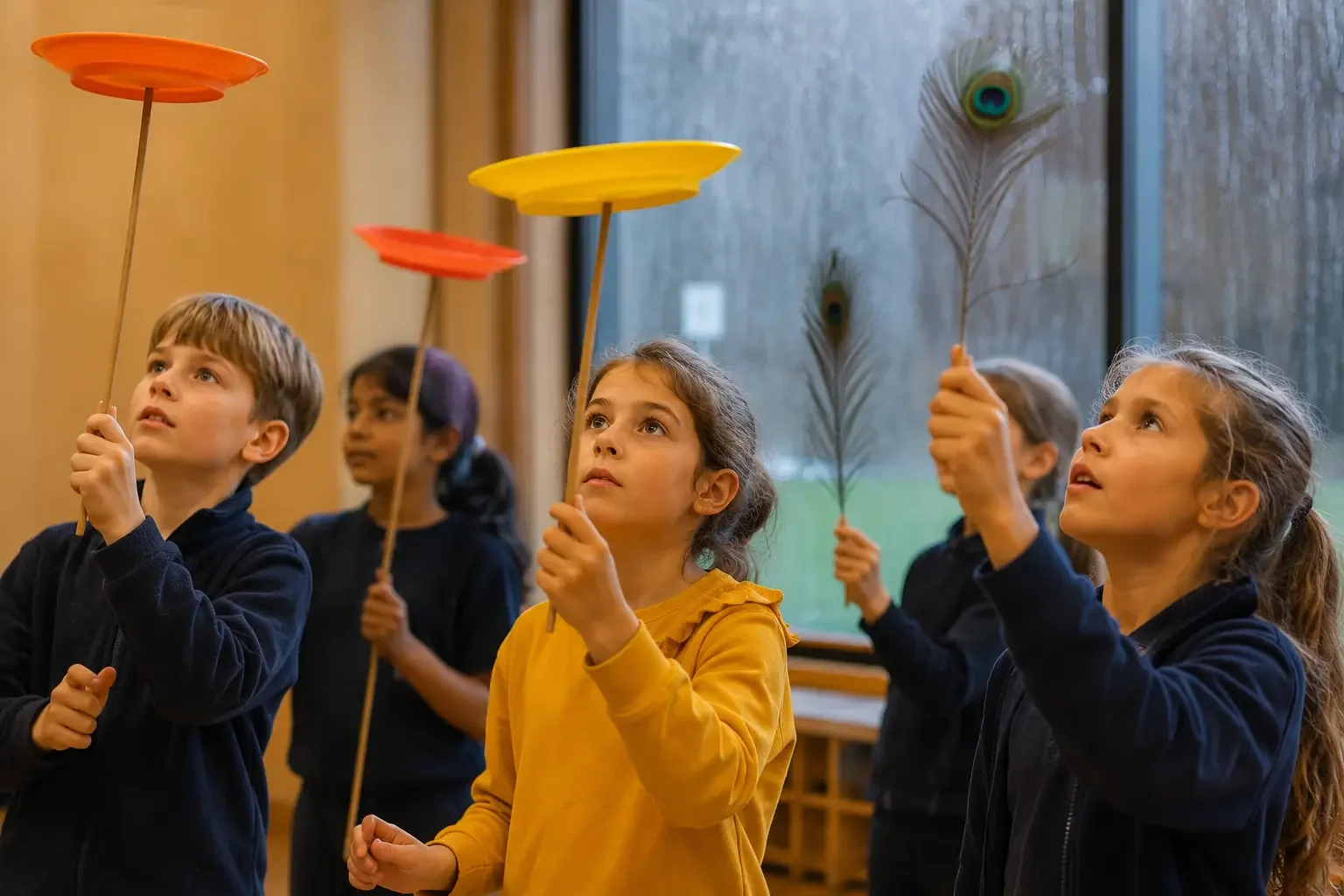
It's an indoor activity anyway. Juggling, plate spinning, diabolo, acrobalance — none of it needs sunshine. A sports hall or hired marquee works exactly as well in January as it does in June, minus the risk of a workshop getting rained off.
Dark afternoons need filling, not fighting. By 4pm in December it's pitch black and energy levels are flagging. That's precisely when an hour of genuinely engaging, hands-on activity does the most good — for concentration, for mood, for getting restless kids re-engaged before the end of the day.
Schools are crying out for indoor-day solutions. Wet play is a dreaded phrase in every staffroom. A pre-booked circus workshop turns a rained-off PE lesson or indoor breaktime into the best part of the week instead of a logistical headache.
Find out more about our circus workshops for schools.
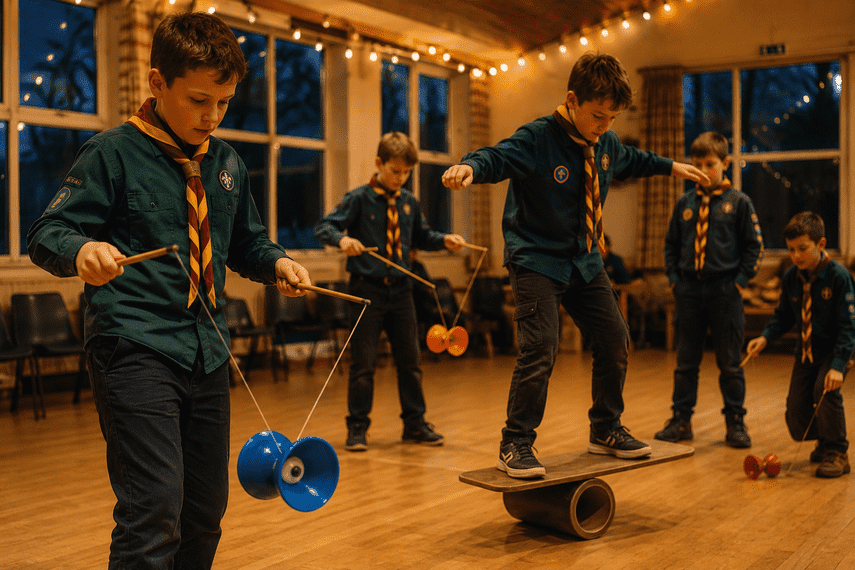
Scouts, Cubs, and Guides need evening content that isn't a let-down. Winter terms mean indoor meetings, and leaders are constantly hunting for sessions that feel like an event rather than a filler. A circus skills evening delivers exactly that, badge-friendly and all.
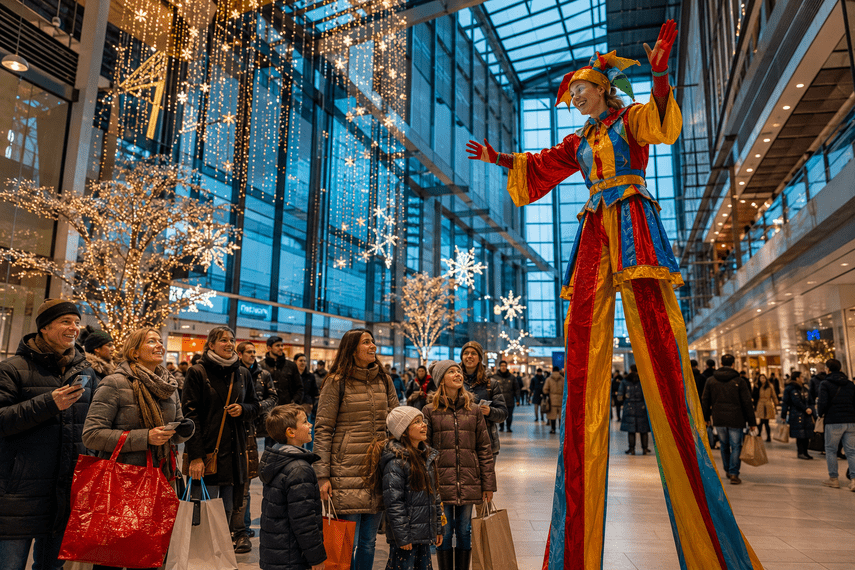
Shopping centres and venues need footfall in the quiet months. Post-Christmas and into the new year, town centres go quiet and afternoons and evenings need a reason for people to come in rather than stay home. Stilt walkers, jugglers, or a bubble artist working a Saturday afternoon does more for dwell time than another markdown sign in the window.
The Honest Pitch
We're not telling you winter is better because we need the bookings (though we won't pretend that's not part of it — our tutors deserve steady, fairly paid work across the whole year, not just a frantic summer sprint followed by six lean months). We're telling you because it's true. The workshops are just as good, the tutors just as brilliant, the experience just as memorable — and right now, the rates reflect a quieter diary rather than a premium one.
If you've been holding off because you assumed circus skills was a "nice weather" activity, this is your sign to reconsider. Get in touch and let's find a date between October and March — your kids, your scouts, or your shoppers will get exactly the same magic, for noticeably less.
Get in touch: info@circusworkshops.co.uk
FAQs
Q: Why is winter actually a good time to book circus workshops?
Winter is our quieter season, which means far better availability — you're not competing with the summer festival and school-fete rush for dates, so it's much easier to secure exactly when and who you want.
Q: Is it really cheaper to book in winter?
Yes — during quieter months we offer more competitive starting prices, from around £225, compared to the standard summer minimum of roughly £300, making winter genuinely better value.
Q: Can workshops run in winter, given the weather?
Absolutely — most sessions are designed for indoor venues anyway, so cold or wet weather has no impact on the activities themselves.
Q: What kind of groups book in winter?
We see a lot of Scouts, Guides, Brownies and Cubs groups, along with smaller schools, taking advantage of both the availability and the lower off-season pricing.
Q: Will I still get the same quality of instructor in winter?
Yes — the same DBS-checked, insured tutors deliver year-round, so winter bookings get exactly the same standard as peak-season ones.
Q: How far in advance should I book a winter session?
Winter has more flexibility than summer, but earlier booking still secures the best choice of dates and tutors, especially around December and school holidays.
Q: What activities work well for a winter session?
The full range applies indoors — juggling, diabolo, plate spinning, poi, hula hoop, flower sticks, Chinese ribbons and balance skills — chosen to suit the group and space available.
Q: Is winter a good time for corporate events too?
Yes — corporate groups looking for a January/February morale boost or a festive team session benefit from the same availability and pricing advantages as schools and youth groups.
Q: How much space do we need indoors?
Roughly a tennis-court-sized area as a minimum, depending on group size.
Q: How do we book a winter session?
Get in touch with your group, preferred dates and location, and we'll confirm availability and a tailored quote — including the off-season rate where applicable.
Related reading
Back to School: Why September Is the Perfect Time to Book a Circus Skills Workshop
What Should Schools Look for When Booking a Circus Skills Workshop?
Book a circus skills workshop
Prices start from £225 — see how our pricing works. Get a quote for your school and we'll come back with a quote.
We deliver across mainland UK, including Coventry, Oxford, Bath, Bradford and Derby.
